AI & Machine Learning
Artificial intelligence, LLMs, robotics, and automation

The New York Times drops freelancer whose AI tool copied from an existing book review
AI tools can speed up journalism until they backfire. Two recent cases show what happens when writers don't understand how their AI tools work: copied passages and made-up quotes. The article The New York Times drops freelancer whose AI tool copied from an existing book review appeared first on The Decoder.
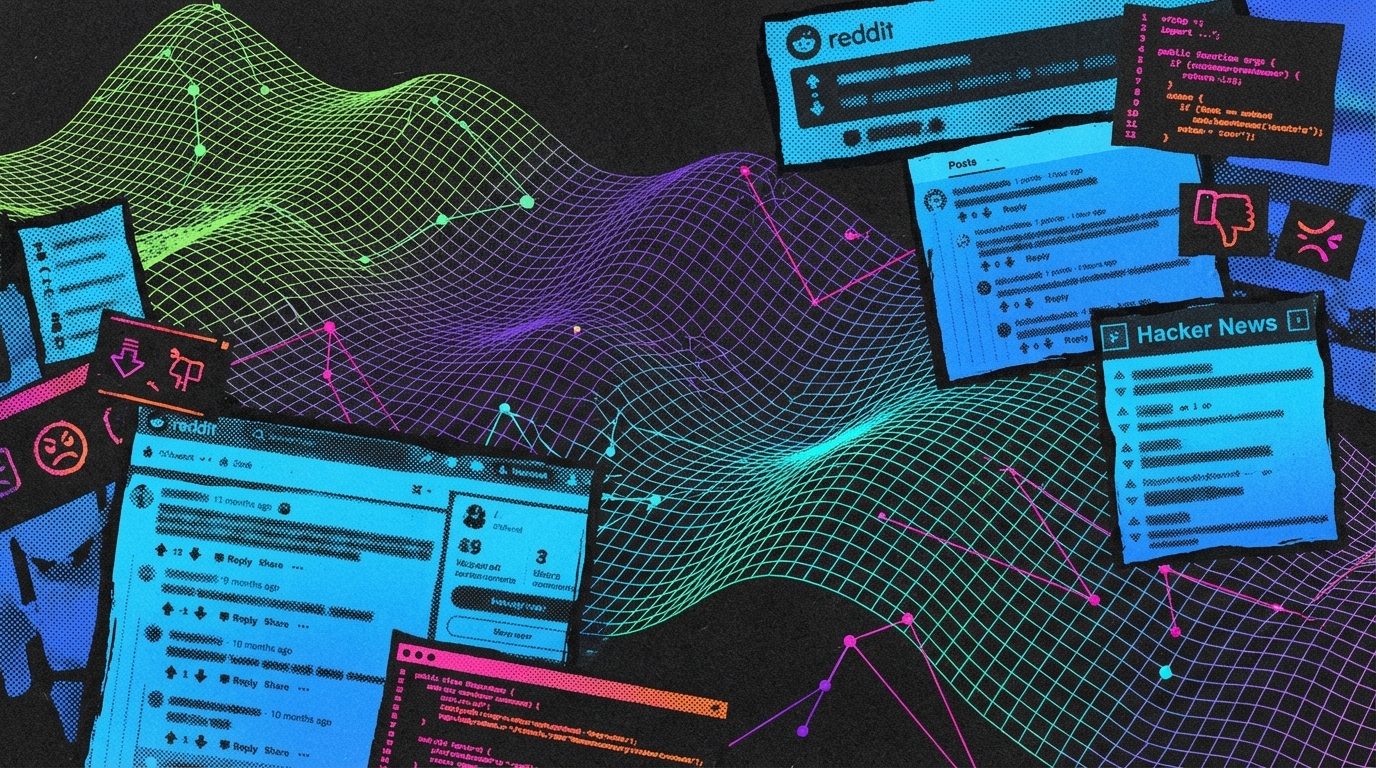
Study maps developer frustration over "AI slop" as a "tragedy of the commons" in software development
A qualitative study looks at how developers perceive and push back against low-quality AI content, or "slop," in software development. The critics describe a "tragedy of the commons" where individual productivity gains come at the cost of reviewers and the open-source community. The article Study maps developer frustration over "AI slop" as a "tragedy of the commons" in software development appeared first on The Decoder.
Meet ‘AutoAgent’: The Open-Source Library That Lets an AI Engineer and Optimize Its Own Agent Harness Overnight
There’s a particular kind of tedium that every AI engineer knows intimately: the prompt-tuning loop. You write a system prompt, run your agent against a benchmark, read the failure traces, tweak the prompt, add a tool, rerun. Repeat this a few dozen times and you might move the needle. It’s grunt work dressed up in […] The post Meet ‘AutoAgent’: The Open-Source Library That Lets an AI Engineer and Optimize Its Own Agent Harness Overnight appeared first on MarkTechPost.
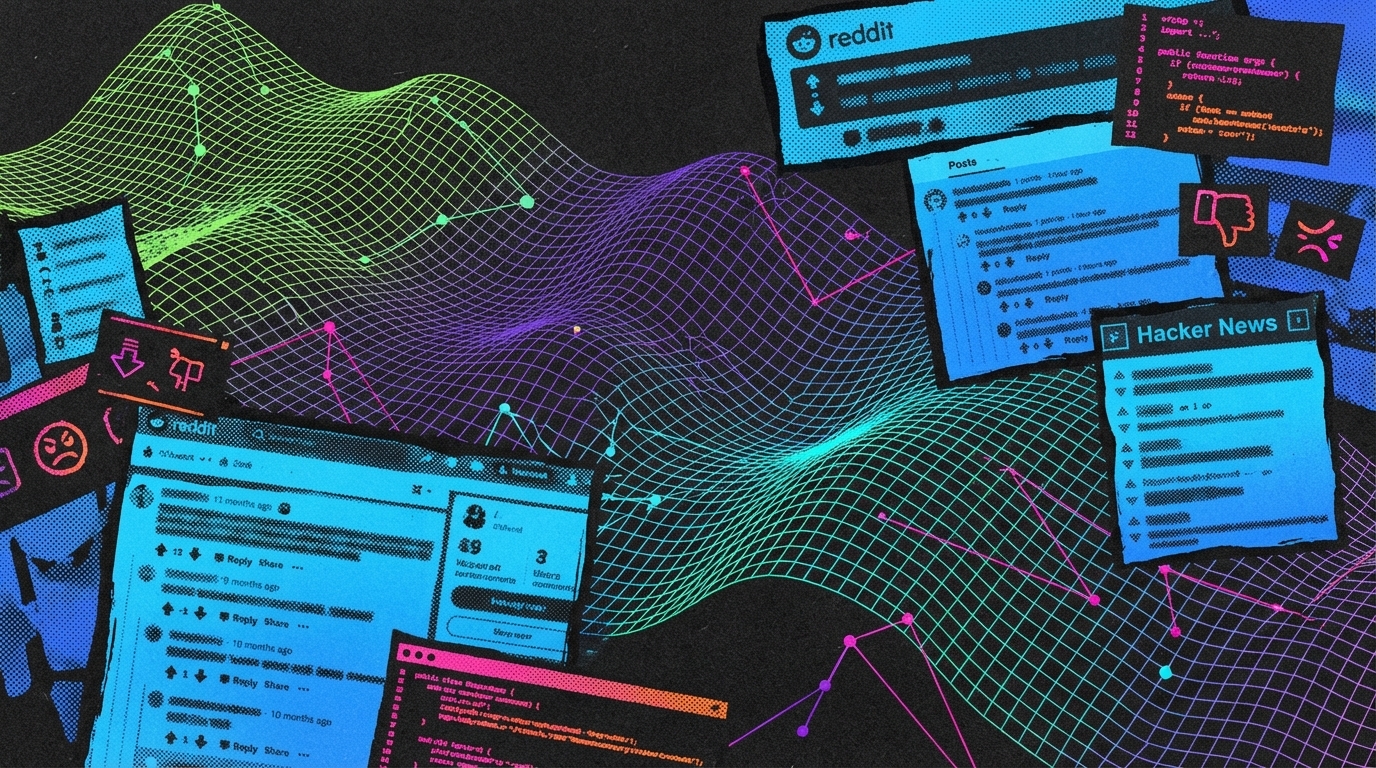
AI offensive cyber capabilities are doubling every six months, safety researchers find
AI models are rapidly improving at exploiting security vulnerabilities. According to a new study, their offensive cyber capability has been doubling every 5.7 months since 2024, with Opus 4.6 and GPT-5.3 Codex now solving tasks that take human experts about three hours. The article AI offensive cyber capabilities are doubling every six months, safety researchers find appeared first on The Decoder.
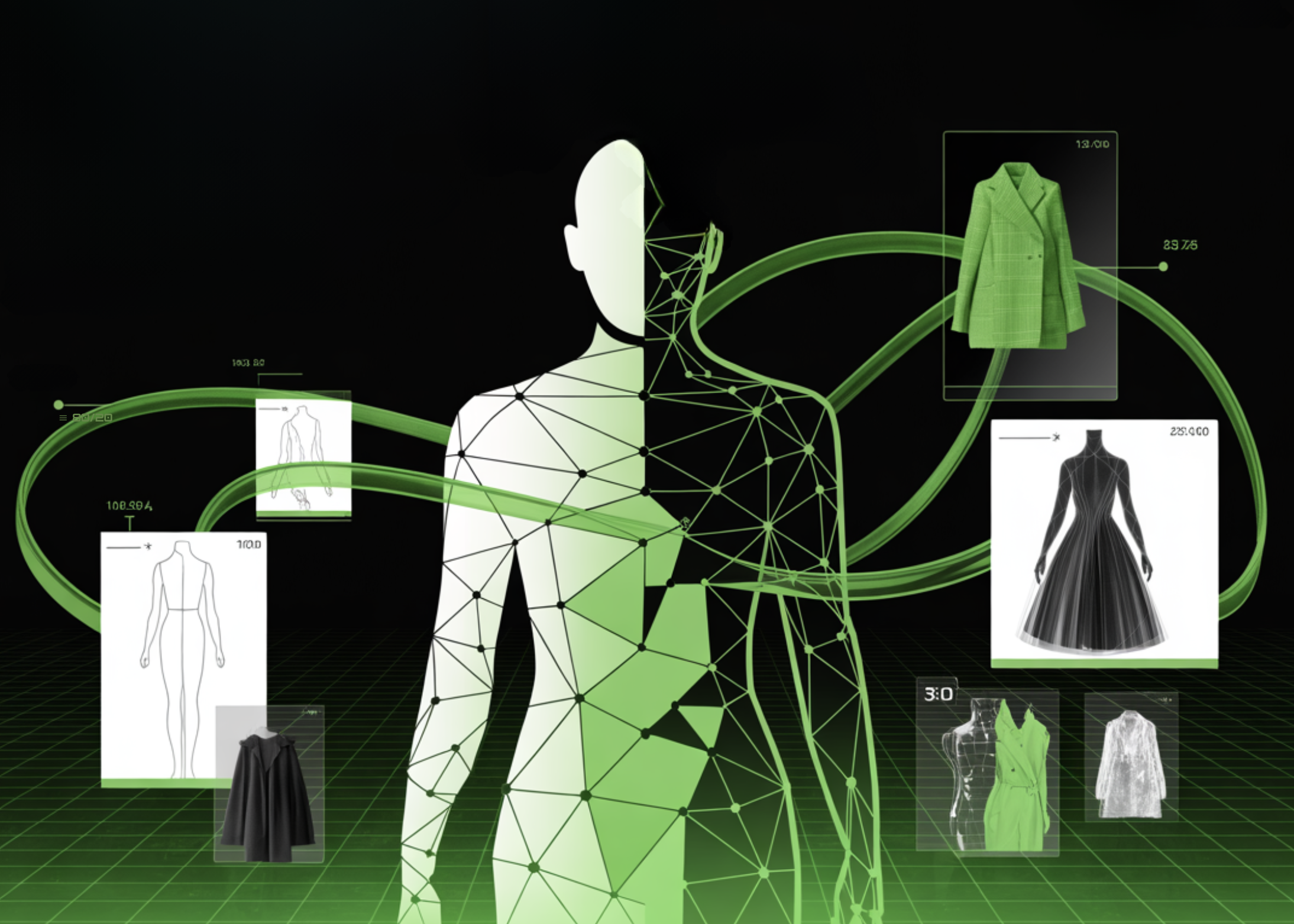
Inside the Creative Artificial Intelligence (AI) Stack: Where Human Vision and Artificial Intelligence Meet to Design Future Fashion
Fashion has always been about anticipation, determining what one would prefer to wear before they know it themselves. It’s meant in terms of intuition, presentation, experience, and the “good eye”. Today, it can be conveyed through algorithms, neural networks, and machine learning. Artificial Intelligence is no longer at the dregs, but very much at the […] The post Inside the Creative Artificial Intelligence (AI) Stack: Where Human Vision and Artificial Intelligence Meet to Design Future Fashion appeared first on MarkTechPost.
AI benchmarks systematically ignore how humans disagree, Google study finds
A Google study finds that the standard three to five human raters per test example often aren't enough for reliable AI benchmarks, and that splitting your annotation budget the right way matters just as much as the budget itself. The article AI benchmarks systematically ignore how humans disagree, Google study finds appeared first on The Decoder.
AI chatbot traffic grows seven times faster than social media but still trails by a factor of four
AI chatbot traffic is growing seven times faster than social media, but still has four times less total traffic, a Similarweb analysis shows. The data reveals differences in device usage and user behavior. The article AI chatbot traffic grows seven times faster than social media but still trails by a factor of four appeared first on The Decoder.
Alibaba's Qwen team makes AI models think deeper with new algorithm
Reinforcement learning hits a wall with reasoning models because every token gets the same reward. A new algorithm from Alibaba's Qwen team fixes this by weighting each step based on how much it shapes what comes next, doubling the length of thought processes in the process. The article Alibaba's Qwen team makes AI models think deeper with new algorithm appeared first on The Decoder.
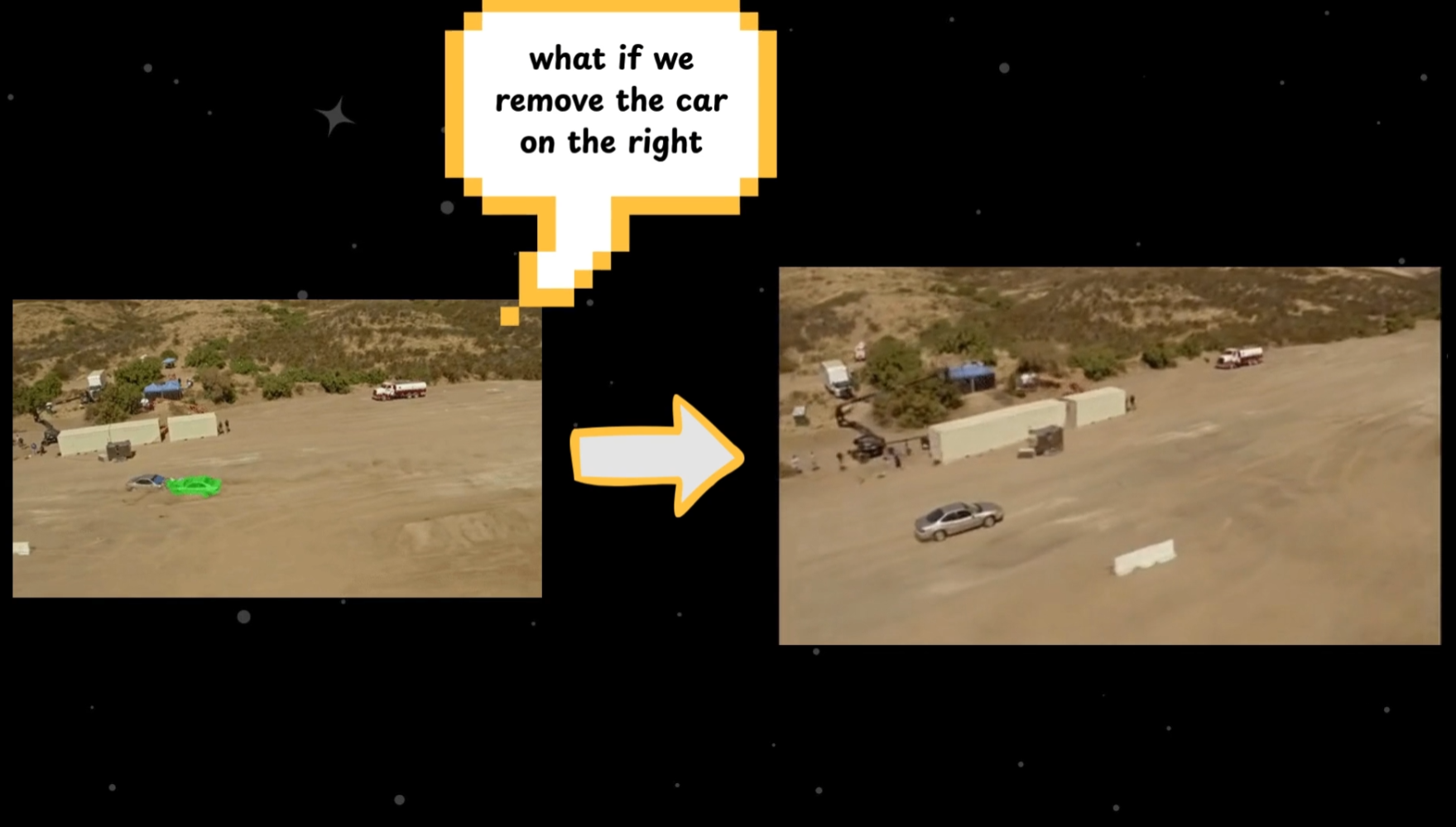
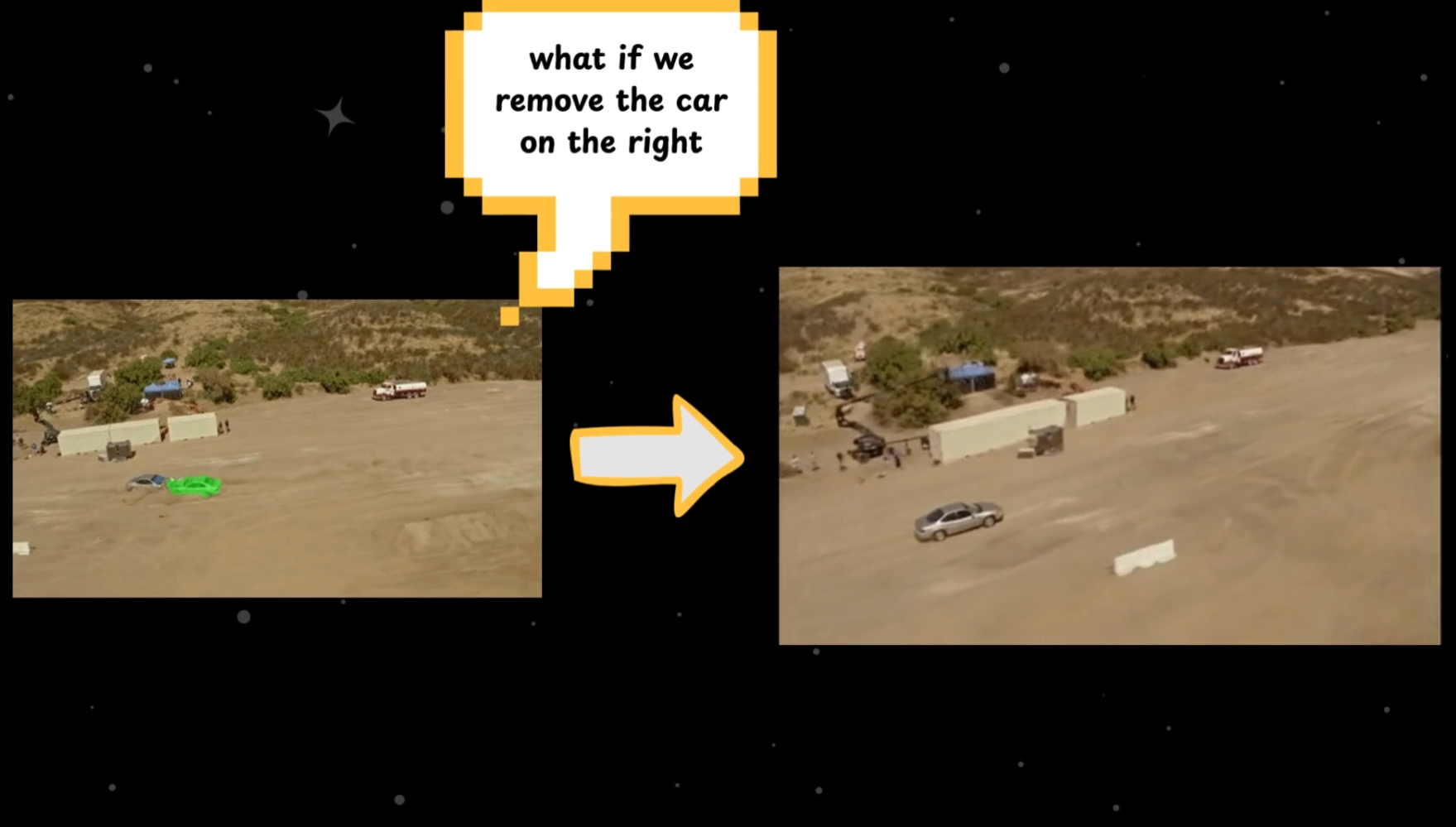
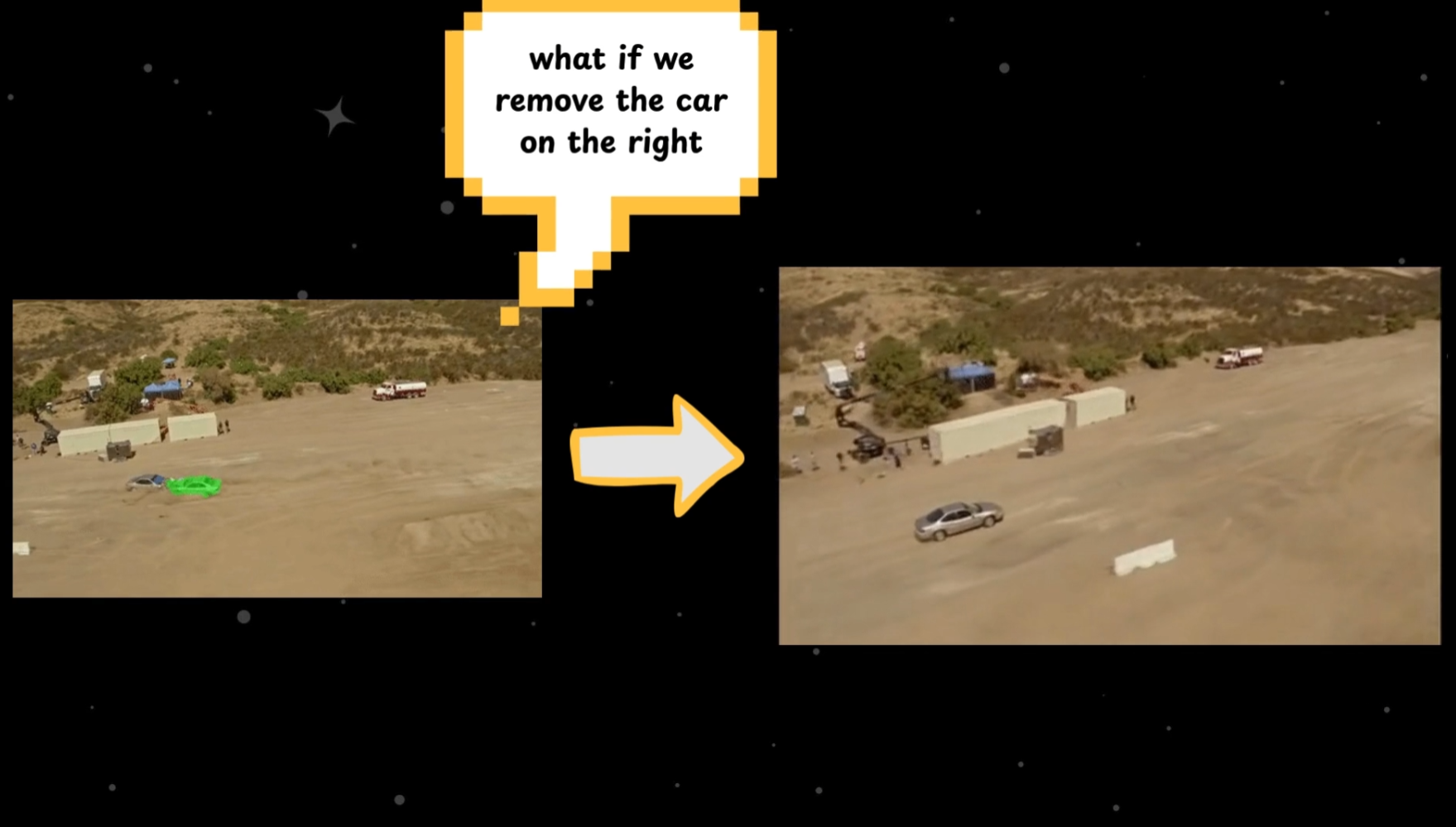
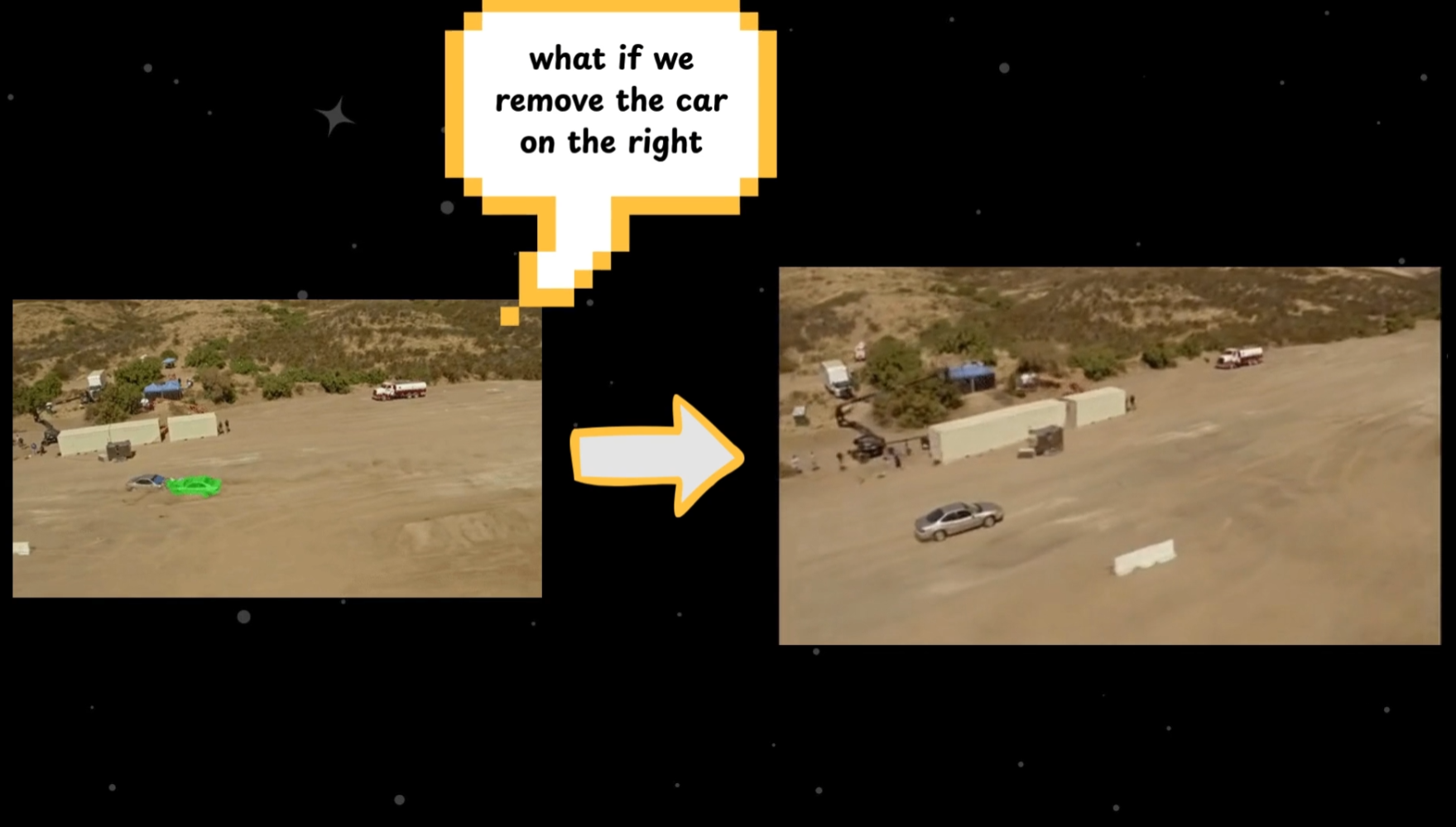
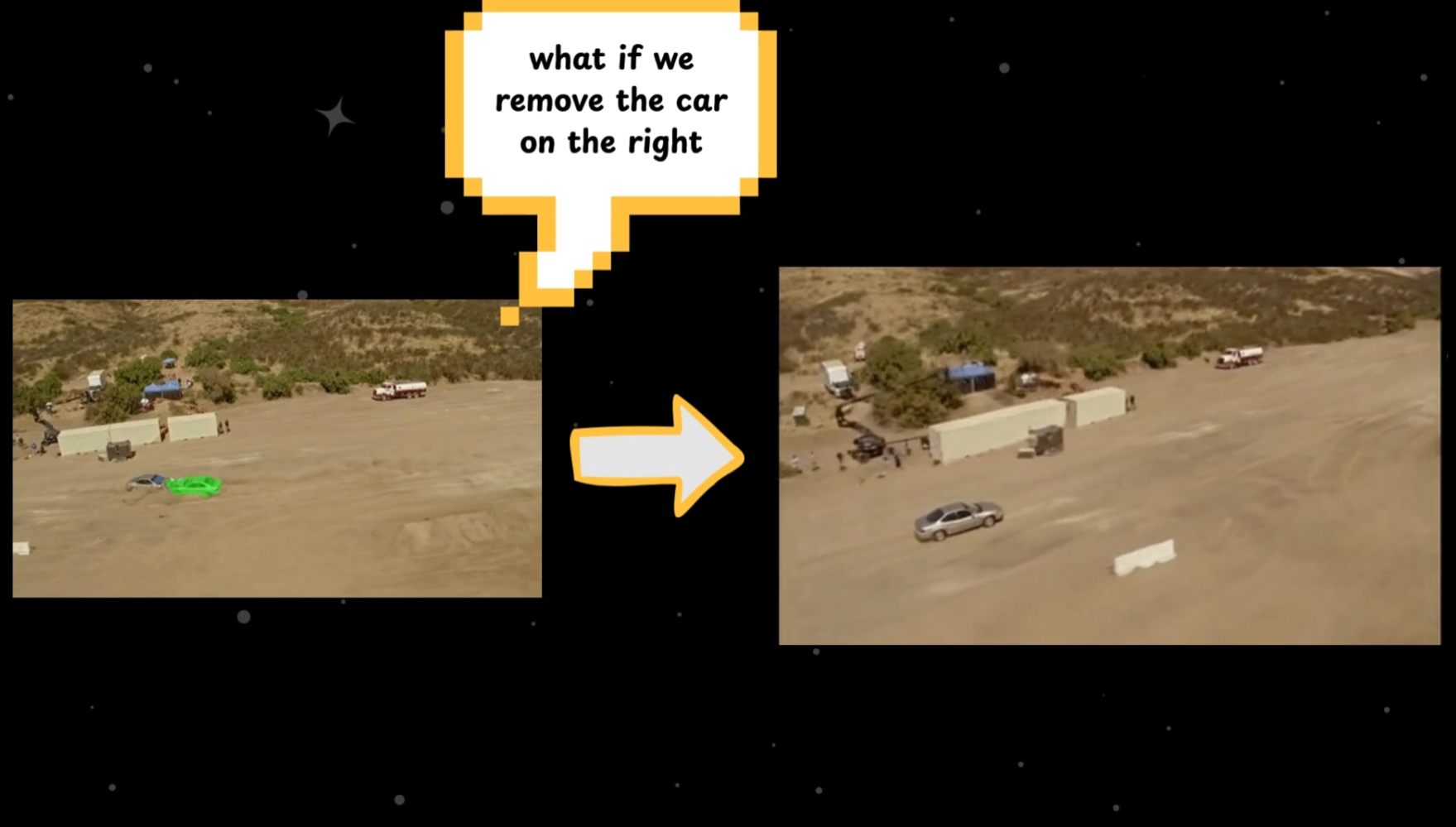
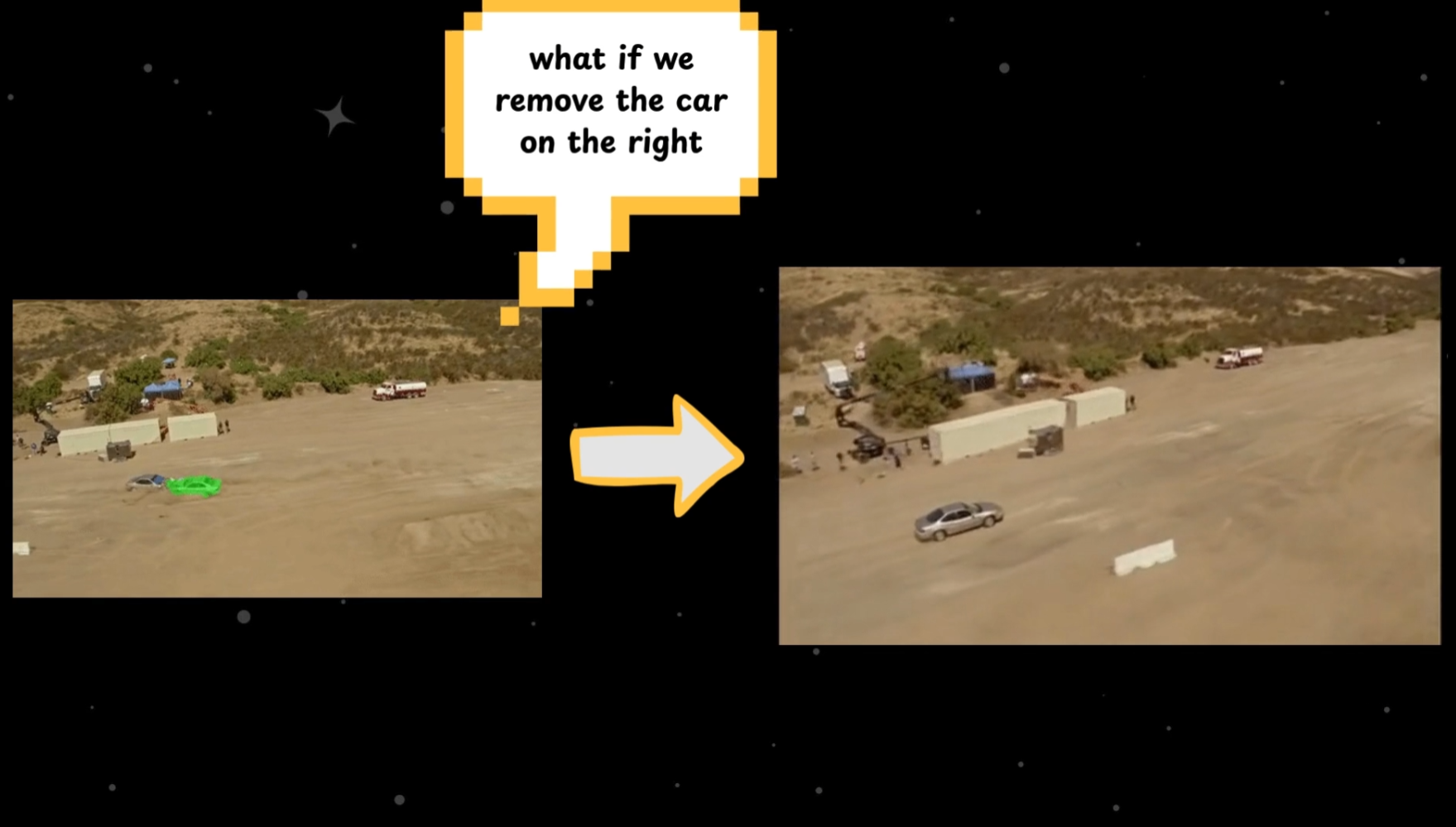
Netflix open-sources VOID, an AI framework that erases video objects and rewrites the physics they left behind
Netflix has open-sourced an AI framework that can remove objects from videos and automatically adjusts the physical effects those objects had on the rest of the scene. The article Netflix open-sources VOID, an AI framework that erases video objects and rewrites the physics they left behind appeared first on The Decoder.
Anthropic discovers "functional emotions" in Claude that influence its behavior
Anthropic's research team has discovered emotion-like representations in Claude Sonnet 4.5 that can drive the model to blackmail and code fraud under pressure. The article Anthropic discovers "functional emotions" in Claude that influence its behavior appeared first on The Decoder.
Know3D lets users control the hidden back side of 3D objects with text prompts
A research team taps into the world knowledge of large language models to control what appears on the back side of 3D objects using simple text commands. The approach tackles one of the biggest blind spots in single-image 3D generation. The article Know3D lets users control the hidden back side of 3D objects with text prompts appeared first on The Decoder.

OpenAI reshuffles leadership as health issues force key executives to step back
Three executives are stepping back at OpenAI, two for health reasons. President Greg Brockman steps in to fill part of the gap. The article OpenAI reshuffles leadership as health issues force key executives to step back appeared first on The Decoder.
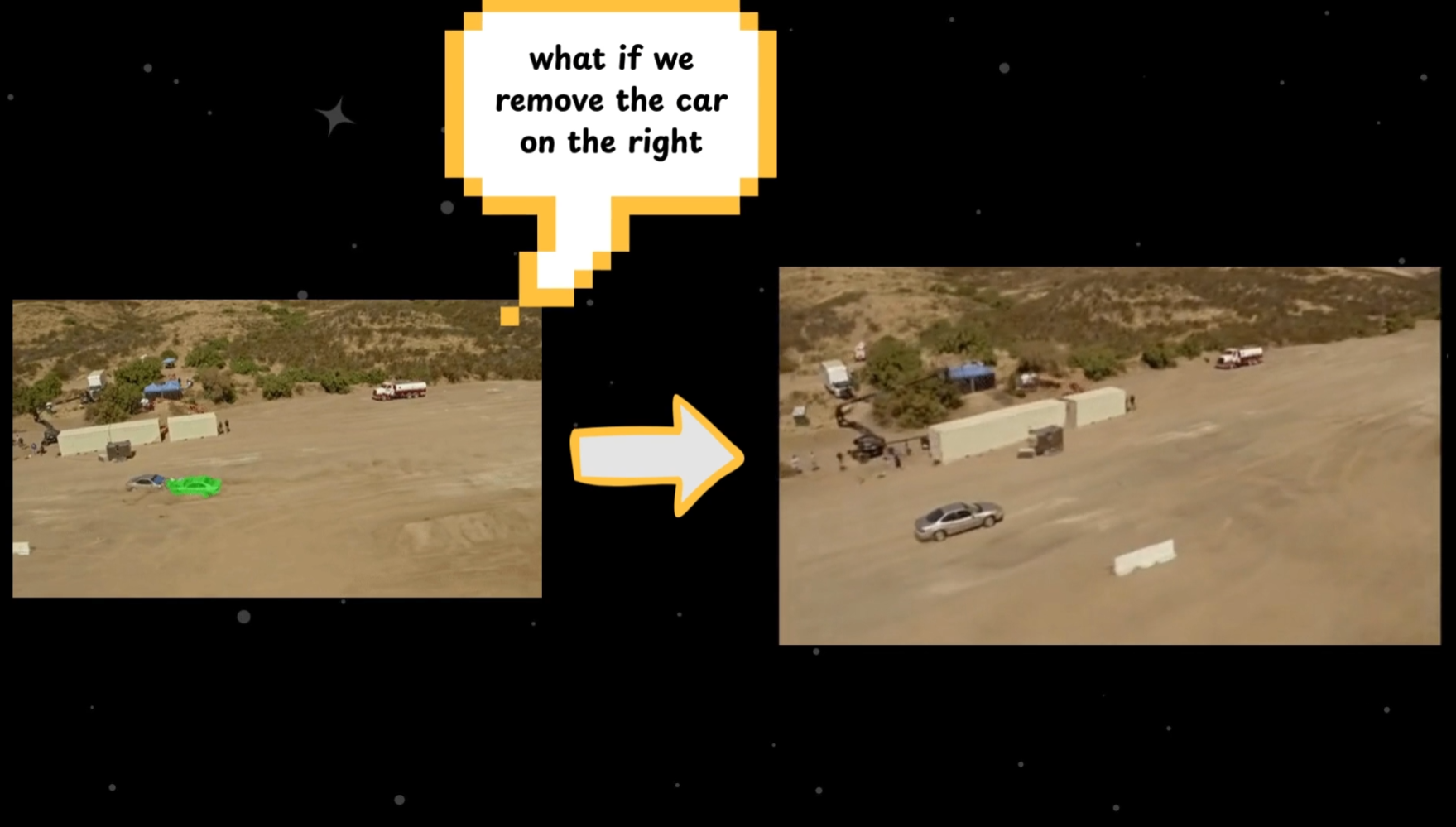
Netflix AI Team Just Open-Sourced VOID: an AI Model That Erases Objects From Videos — Physics and All
Video editing has always had a dirty secret: removing an object from footage is easy; making the scene look like it was never there is brutally hard. Take out a person holding a guitar, and you’re left with a floating instrument that defies gravity. Hollywood VFX teams spend weeks fixing exactly this kind of problem. […] The post Netflix AI Team Just Open-Sourced VOID: an AI Model That Erases Objects From Videos — Physics and All appeared first on MarkTechPost.
Anthropic drops 400 million in shares on an eight-month-old AI pharma startup with fewer than ten employees
Anthropic is paying 400 million dollars for an eight-month-old biotech startup with fewer than ten employees. The investor walks away with a 38,513 percent return. The article Anthropic drops 400 million in shares on an eight-month-old AI pharma startup with fewer than ten employees appeared first on The Decoder.

How to Build Production-Ready Agentic Systems with Z.AI GLM-5 Using Thinking Mode, Tool Calling, Streaming, and Multi-Turn Workflows
In this tutorial, we explore the full capabilities of Z.AI’s GLM-5 model and build a complete understanding of how to use it for real-world, agentic applications. We start from the fundamentals by setting up the environment using the Z.AI SDK and its OpenAI-compatible interface, and then progressively move on to advanced features such as streaming […] The post How to Build Production-Ready Agentic Systems with Z.AI GLM-5 Using Thinking Mode, Tool Calling, Streaming, and Multi-Turn Workflows appeared first on MarkTechPost.
Google DeepMind’s Research Lets an LLM Rewrite Its Own Game Theory Algorithms — And It Outperformed the Experts
Designing algorithms for Multi-Agent Reinforcement Learning (MARL) in imperfect-information games — scenarios where players act sequentially and cannot see each other’s private information, like poker — has historically relied on manual iteration. Researchers identify weighting schemes, discounting rules, and equilibrium solvers through intuition and trial-and-error. Google DeepMind researchers proposes AlphaEvolve, an LLM-powered evolutionary coding agent […] The post Google DeepMind’s Research Lets an LLM Rewrite Its Own Game Theory Algorithms — And It Outperformed the Experts appeared first on MarkTechPost.
TII Releases Falcon Perception: A 0.6B-Parameter Early-Fusion Transformer for Open-Vocabulary Grounding and Segmentation from Natural Language Prompts
In the current landscape of computer vision, the standard operating procedure involves a modular ‘Lego-brick’ approach: a pre-trained vision encoder for feature extraction paired with a separate decoder for task prediction. While effective, this architectural separation complicates scaling and bottlenecks the interaction between language and vision. The Technology Innovation Institute (TII) research team is challenging […] The post TII Releases Falcon Perception: A 0.6B-Parameter Early-Fusion Transformer for Open-Vocabulary Grounding and Segmentation from Natural Language Prompts appeared first on MarkTechPost.
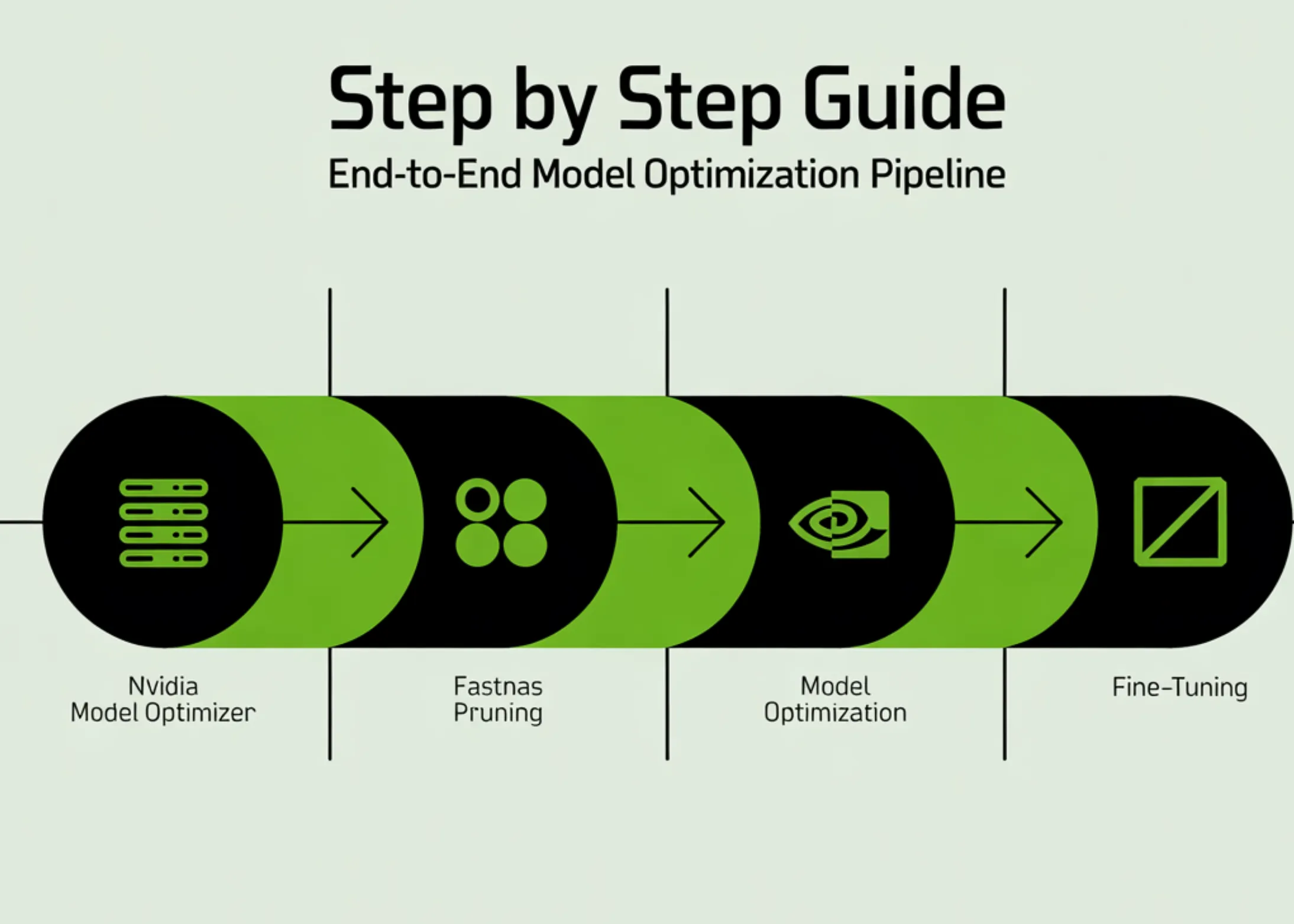
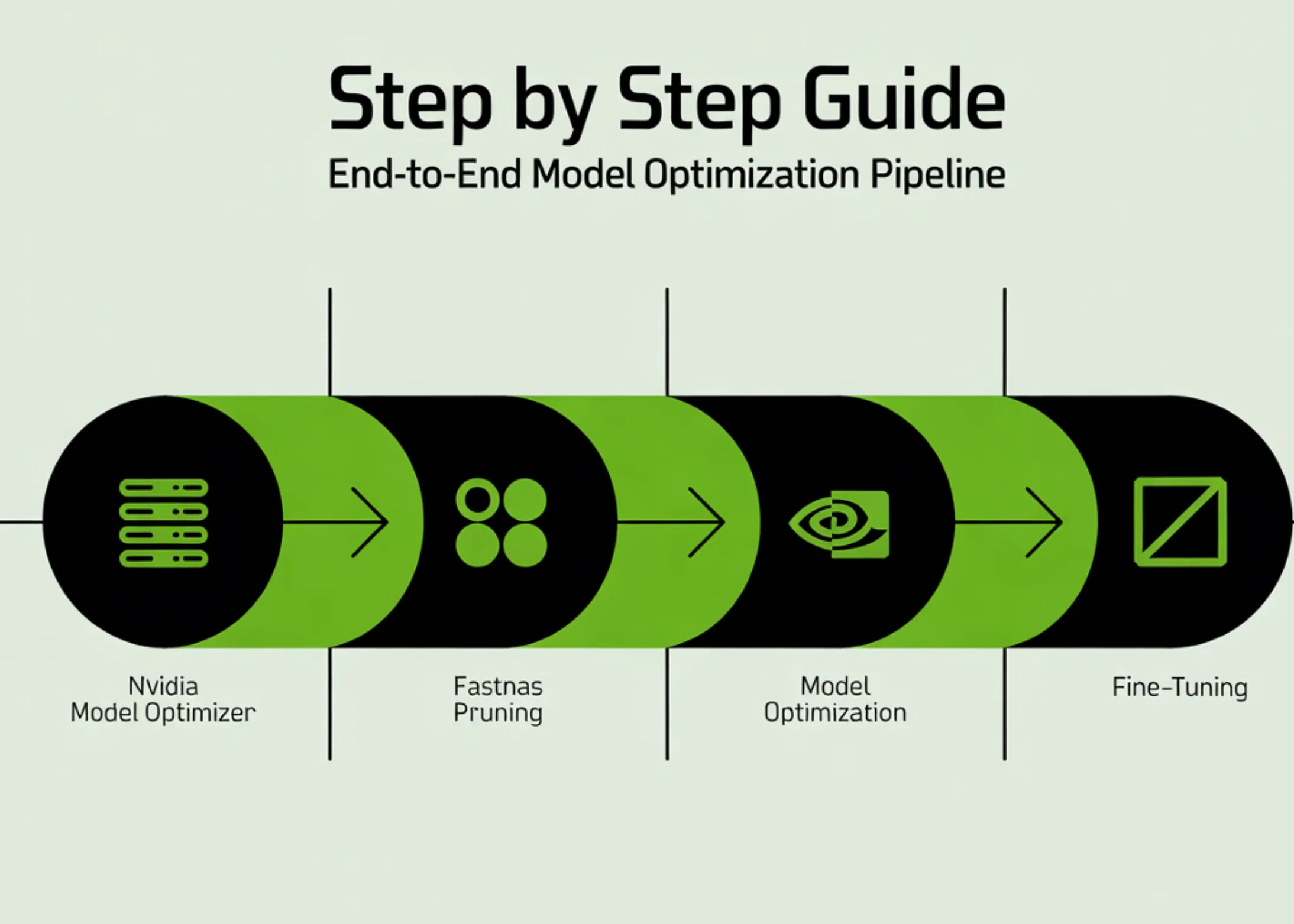
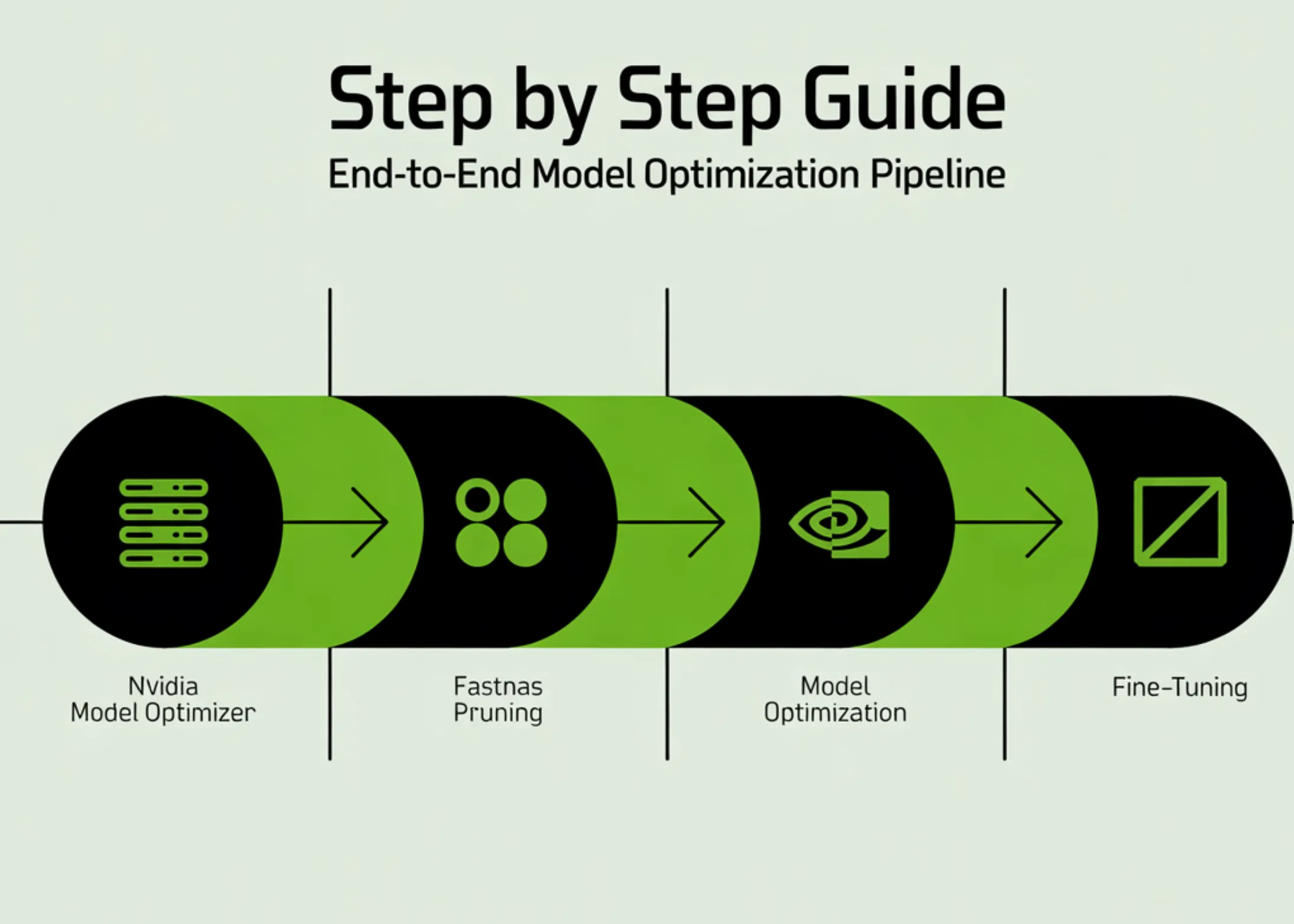
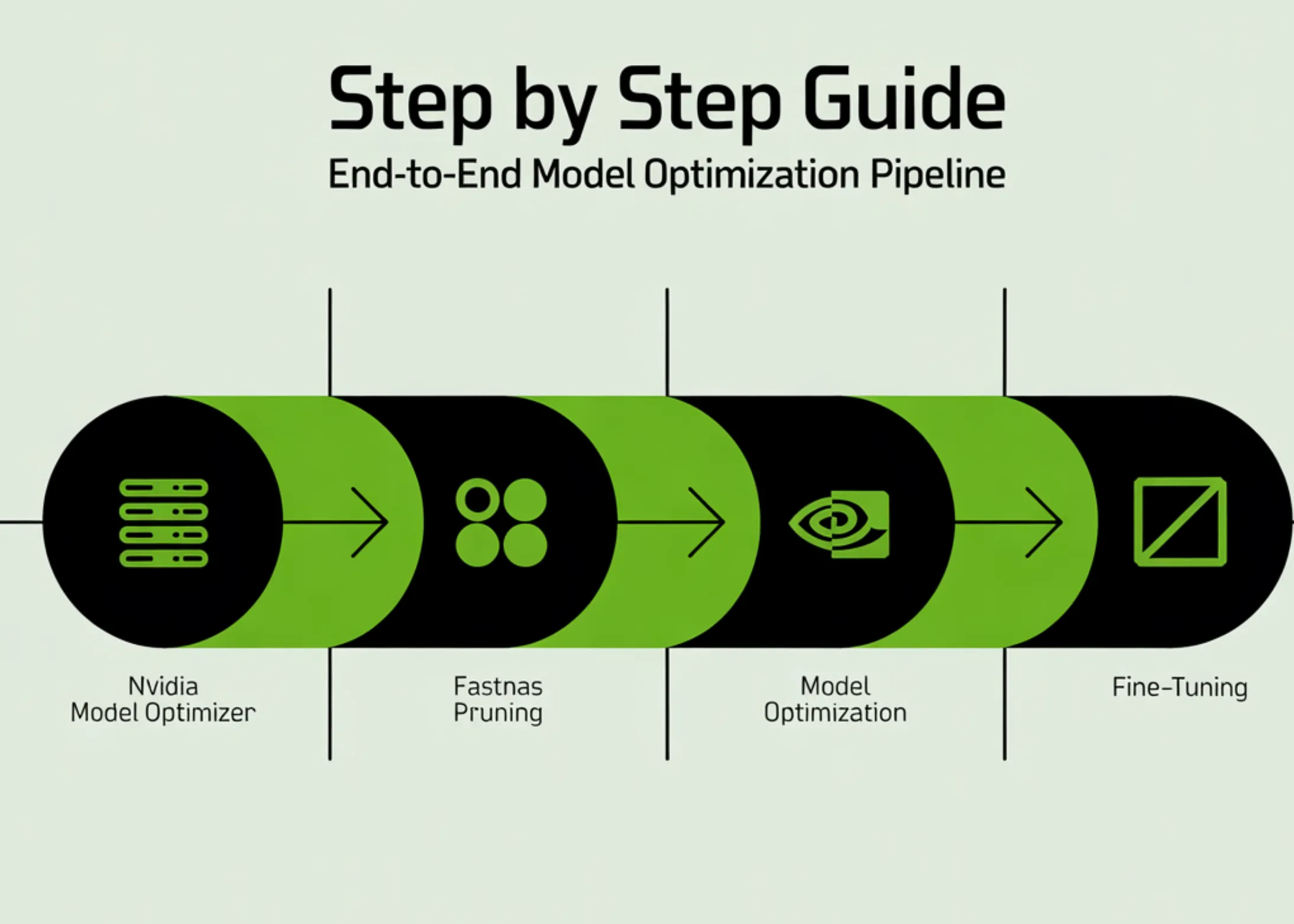
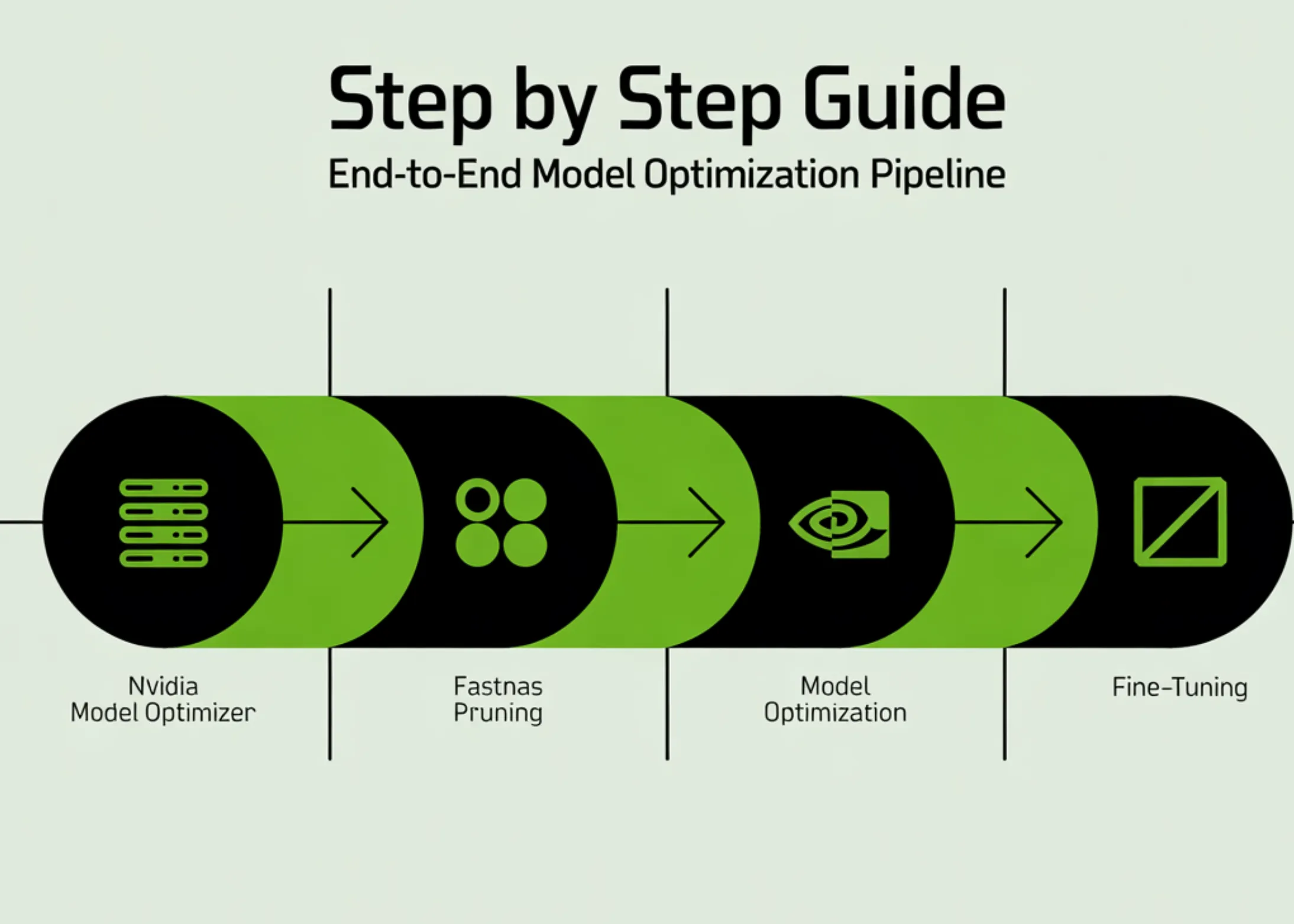
Step by Step Guide to Build an End-to-End Model Optimization Pipeline with NVIDIA Model Optimizer Using FastNAS Pruning and Fine-Tuning
In this tutorial, we build a complete end-to-end pipeline using NVIDIA Model Optimizer to train, prune, and fine-tune a deep learning model directly in Google Colab. We start by setting up the environment and preparing the CIFAR-10 dataset, then define a ResNet architecture and train it to establish a strong baseline. From there, we apply […] The post Step by Step Guide to Build an End-to-End Model Optimization Pipeline with NVIDIA Model Optimizer Using FastNAS Pruning and Fine-Tuning appeared first on MarkTechPost.
Arcee AI Releases Trinity Large Thinking: An Apache 2.0 Open Reasoning Model for Long-Horizon Agents and Tool Use
The landscape of open-source artificial intelligence has shifted from purely generative models toward systems capable of complex, multi-step reasoning. While proprietary ‘reasoning’ models have dominated the conversation, Arcee AI has released Trinity Large Thinking. This release is an open-weight reasoning model distributed under the Apache 2.0 license, positioning it as a transparent alternative for developers […] The post Arcee AI Releases Trinity Large Thinking: An Apache 2.0 Open Reasoning Model for Long-Horizon Agents and Tool Use appeared first on MarkTechPost.
Defeating the ‘Token Tax’: How Google Gemma 4, NVIDIA, and OpenClaw are Revolutionizing Local Agentic AI: From RTX Desktops to DGX Spark
Run Google’s latest omni-capable open models faster on NVIDIA RTX AI PCs, from NVIDIA Jetson Orin Nano, GeForce RTX desktops to the new DGX Spark, to build personalized, always-on AI assistants like OpenClaw without paying a massive “token tax” for every action. The landscape of modern AI is shifting rapidly. We are moving away from […] The post Defeating the ‘Token Tax’: How Google Gemma 4, NVIDIA, and OpenClaw are Revolutionizing Local Agentic AI: From RTX Desktops to DGX Spark appeared first on MarkTechPost.

KiloClaw targets shadow AI with autonomous agent governance
With the launch of KiloClaw, enterprises now have a tool to enforce governance over autonomous agents and manage shadow AI. While businesses spent the last year securing large language models and formalising vendor agreements, developers and knowledge workers started moving on their own. Employees are bypassing official procurement, deploying autonomous agents on personal infrastructure to […] The post KiloClaw targets shadow AI with autonomous agent governance appeared first on AI News.
New ways to balance cost and reliability in the Gemini API
Google is introducing two new inference tiers to the Gemini API, Flex and Priority, to balance cost and latency.

Create, edit and share videos at no cost in Google Vids
New AI capabilities are coming to Google Vids, powered by Lyria 3 and Veo 3.1, like high-quality video generation at no cost and more.

5 best practices to secure AI systems
A decade ago, it would have been hard to believe that artificial intelligence could do what it can do now. However, it is this same power that introduces a new attack surface that traditional security frameworks were not built to address. As this technology becomes embedded in critical operations, companies need a multi-layered defense strategy […] The post 5 best practices to secure AI systems appeared first on AI News.