Science
Space, physics, biology, and research breakthroughs

Artemis astronauts begin fifth day on historic moon mission
The four astronauts on NASA's Artemis 2 mission began their fifth day journeying to the moon on Sunday, after already taking in sights of the lunar surface never before seen by human eyes.
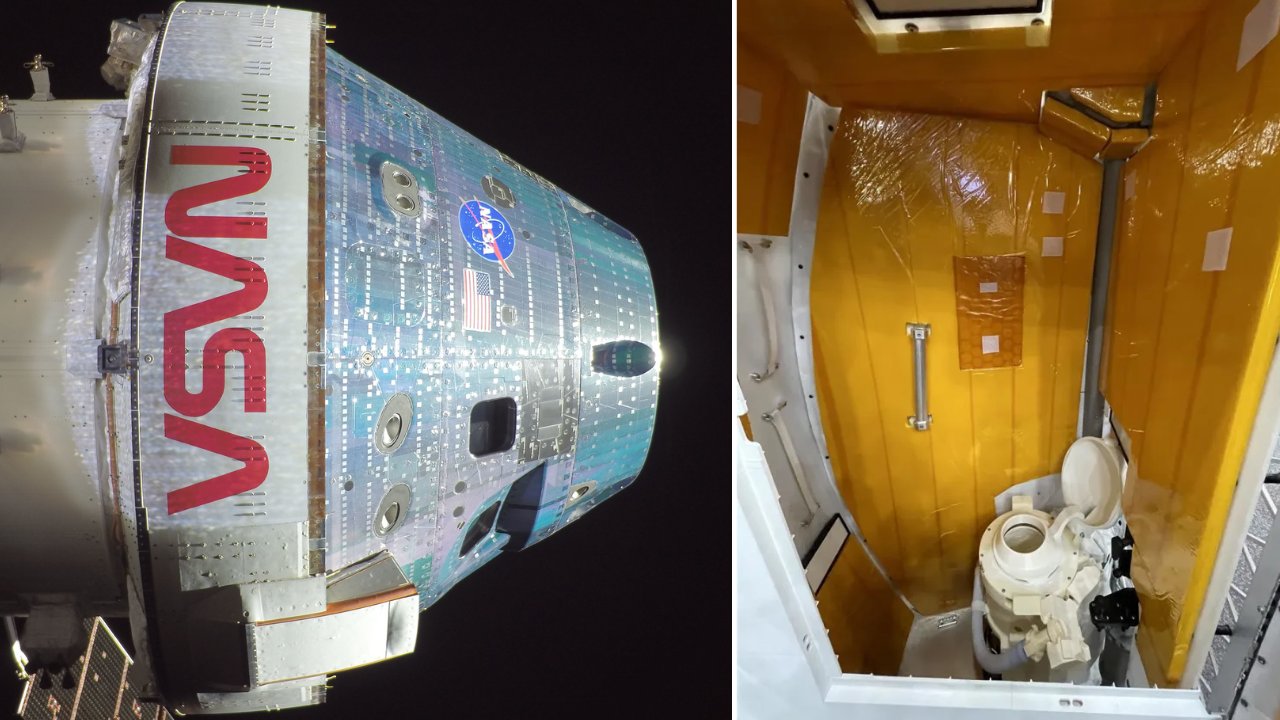
The breakout star of NASA's Artemis 2 mission to the moon isn't an astronaut — it's the space toilet
The on-again, off-again lunar loo allows astronauts to "go" at the moon like no one's gone before.

Bennu sample reveals how water flowed through the newly forming asteroid
A team of US astronomers has carried out one of the deepest analyses to date of a sample from the asteroid Bennu, revealing new details about how water and organic material interacted during the earliest stages of the solar system.
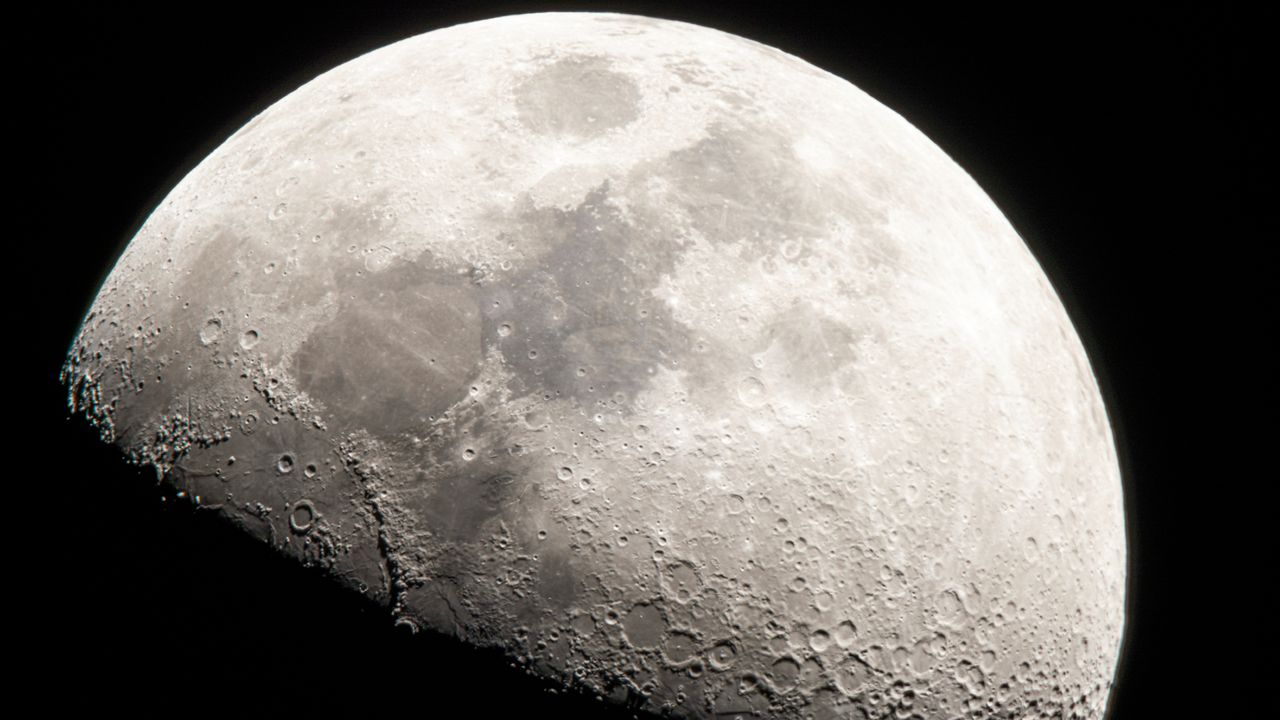
'This generation's moment': How the Artemis missions will reframe humanity's relationship with the moon
Live Science spoke with Rebecca Boyle, author of "Our Moon" about how the moon has been viewed both culturally and scientifically through history.

It's time for Artemis II to break Apollo 13's distance record. What to know about the moon flyby
The Artemis II astronauts are already the champions of a fresh new era of lunar exploration. Now it's time to set a new distance record.

The revolution in dinosaur science started 50 years ago—here's what we have learned
The study of dinosaurs has been through a revolution in recent decades. The story began half a century ago, when Robert McNeill Alexander, a professor of zoology at the University of Leeds, showed how the speed of an animal could be calculated from the spacing of its footprints and its body size.

TESS spots the rise of a black hole X-ray binary system
Designed to hunt for new alien worlds, NASA's Transiting Exoplanet Survey Satellite (TESS) has serendipitously observed the rising outburst of a black hole X-ray binary known as AT 2019wey. The observations, which may help us better understand the nature of this system, were presented March 25 on the arXiv pre-print server.

The largest survey of exoplanet spins confirms a long-held prediction
For some time, astronomers have theorized that there is a connection between planetary mass and rotation. In the solar system, Jupiter and Saturn both rotate rapidly, completing a rotation in roughly ten hours, while accounting for a significant fraction of the solar system's rotational energy. Using the W.M. Keck Observatory on Maunakea, Hawai'i, a team of astronomers tested this predicted relationship by studying 32 gas giants and brown dwarfs in distant star systems—6 giant planets larger than Jupiter and 25 brown dwarf companions.
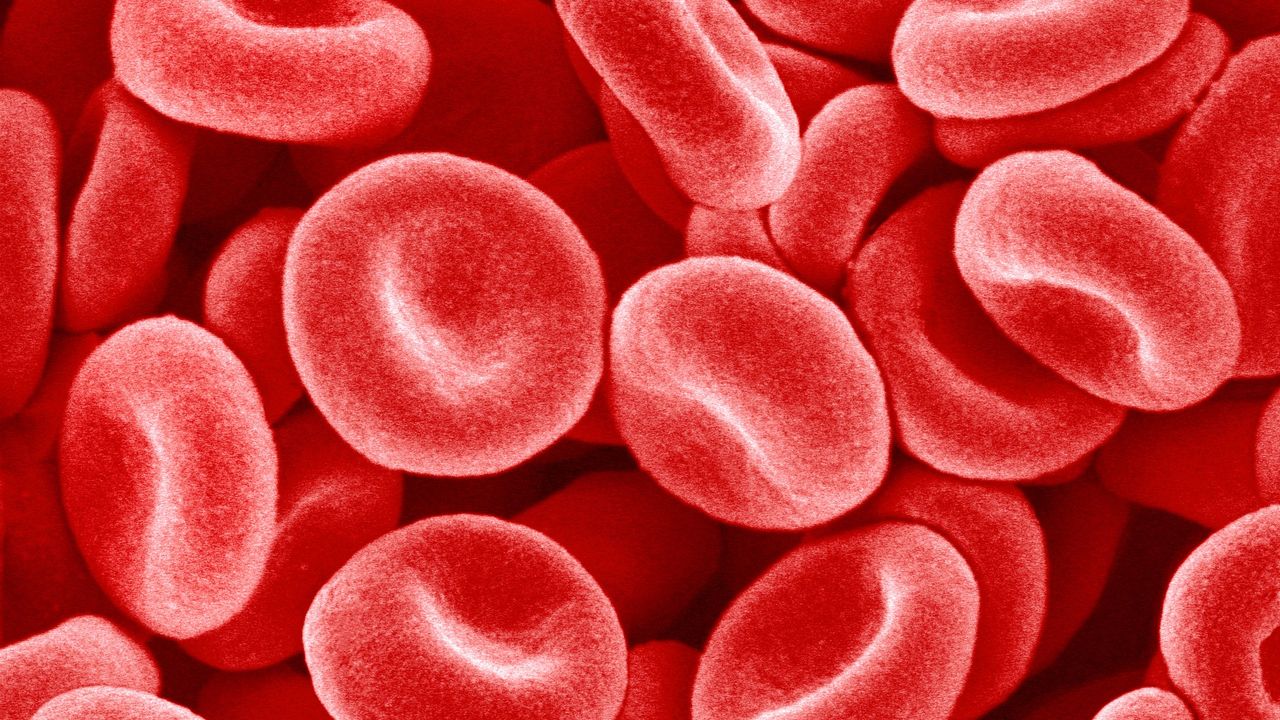
Diabetes rates are lower in high-altitude environments — and scientists may have discovered why
A new study finds that in low-oxygen environments, red blood cells absorb more glucose and convert it into a molecule that helps release oxygen into tissues, revealing an unexpected way the body regulates blood sugar.

Stopping algae blooms with bacteria-busting buoys
Algae blooms make a pond's surface shine in mesmerizing green hues. But if the microorganisms responsible are cyanobacteria, they can also release toxins that harm humans and wildlife alike. A team reporting in ACS ES&T Water has designed a "set it and forget it" system for distributing algaecide using specialized buoys tethered at the site of a bloom. In tests, the buoys removed nearly all cyanobacteria without the need for frequent reapplication.
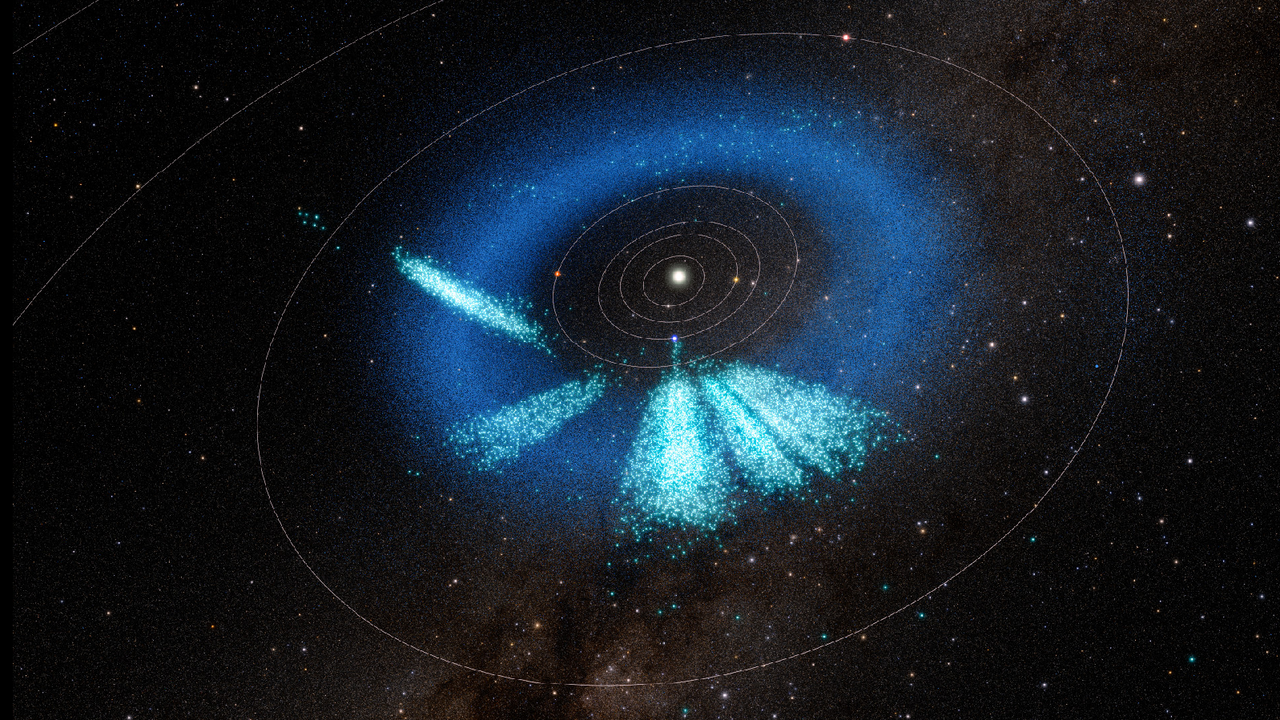
The powerful new Rubin Observatory just found 11,000 new asteroids and measured 'tens of thousands more'
This offers us a glimpse of the discovery surge scientists expect to occur once full operations begin.

Image: NISAR views Mount St. Helens
This image captured by U.S.-Indian Earth satellite NISAR on Nov. 10, 2025, shows Washington's Mount St. Helens. The image is cropped from a much larger swath spanning the Pacific Northwest on a cloudy day; NISAR's L-band SAR instrument is able to peer through the clouds at the surface below.

Artemis astronauts to study the moon's surface using mainly their eyes
More than 50 years after humans first flew around the moon, Artemis astronauts will repeat the feat on Monday and use the most basic instrument to study it: their eyes.
Electric dipole moment drives the dynamics of the TNFR1 complex I signalosome
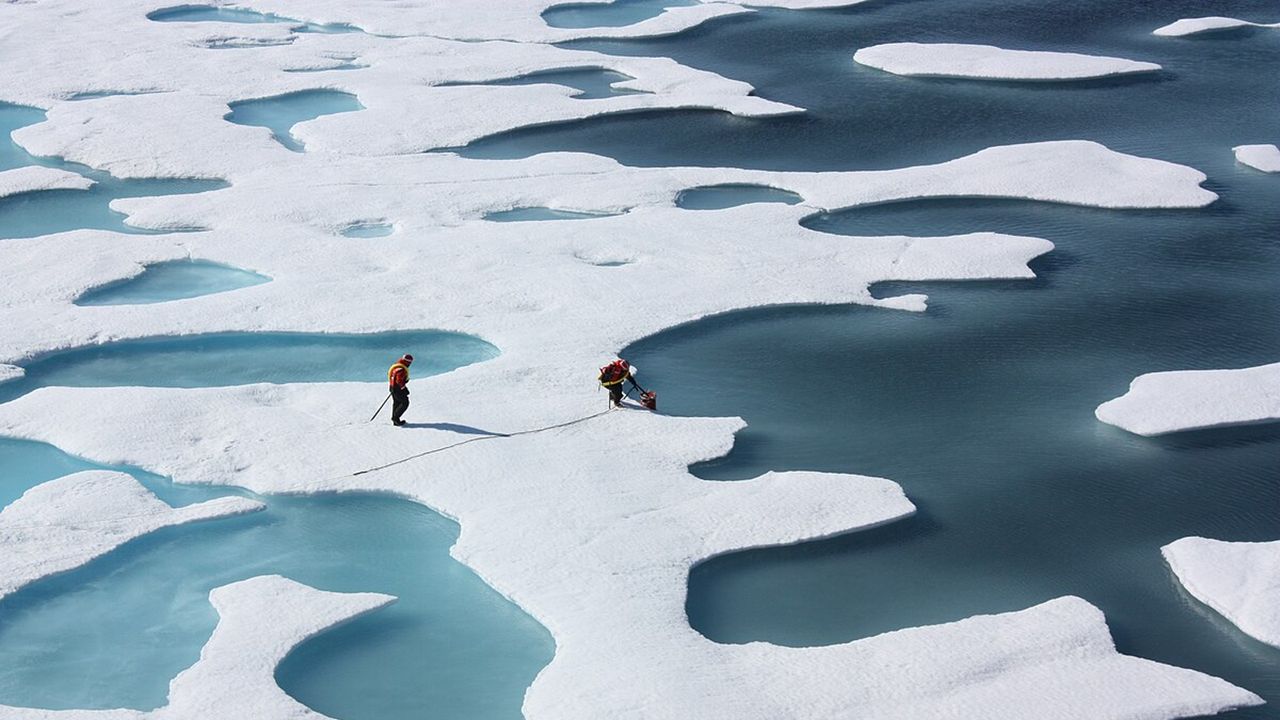
Antarctica hides huge caches of gold, silver, copper and iron. As the ice melts, countries may race to harvest them.
Melting ice, rebounding land, and rising seas will change what resources are available in Antarctica, a new analysis finds.
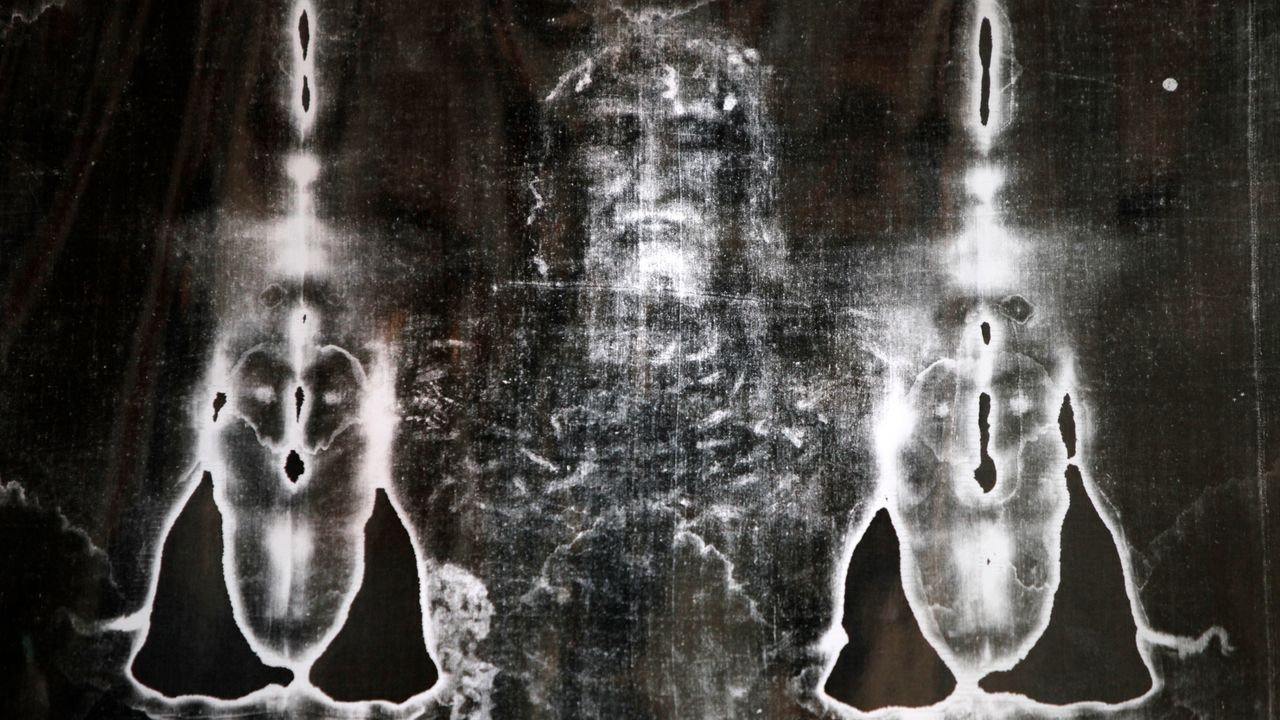
Shroud of Turin, claimed to be Jesus' burial cloth, contaminated with carrot and red coral DNA
An analysis of samples taken from the Shroud of Turin, the cloth thought by some to have been wrapped around Jesus, reveals a rich tapestry of animal and plant DNA. But what does it mean?
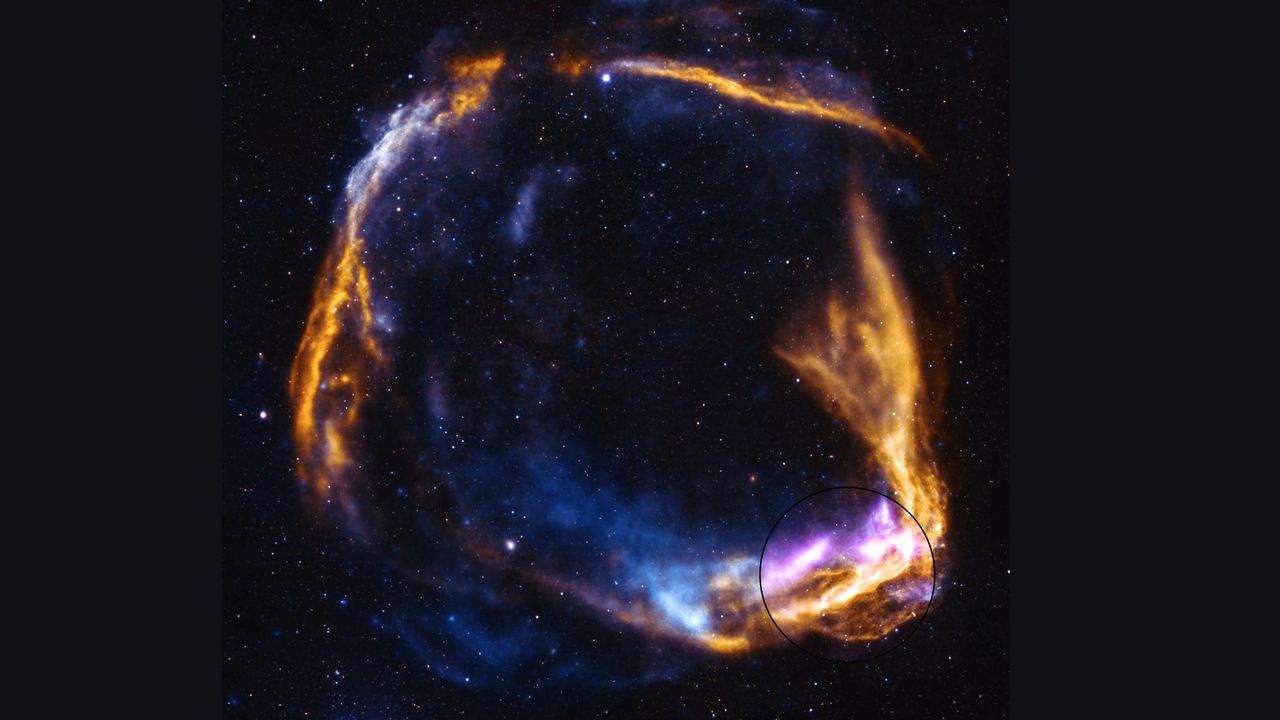
NASA telescope uncovers new mystery in supernova first spotted by Chinese astronomers 2,000 years ago — Space photo of the week
NASA's Imaging X-ray Polarimetry Explorer reveals the expansion and shock patterns within RCW 86, a supernova observed by early astronomers in A.D. 185.
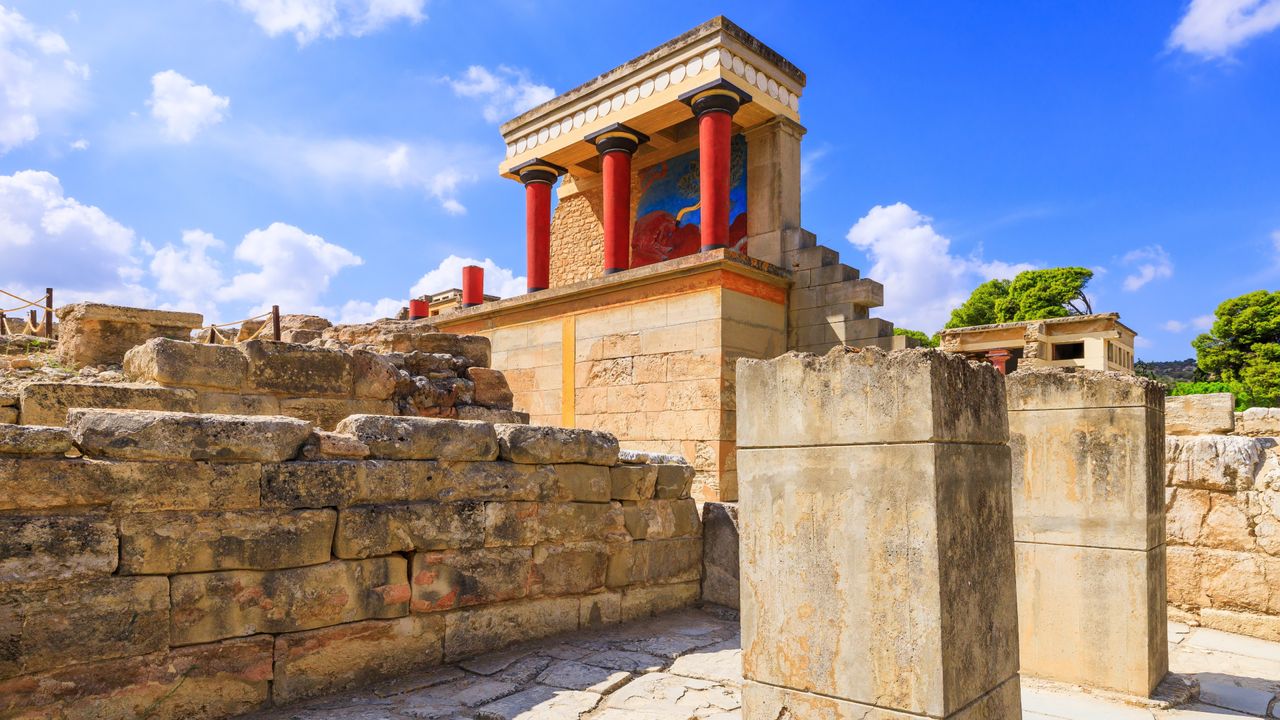
What happened to the Minoan civilization?
The Minoan civilization flourished between roughly 2000 and 1500 B.C. on Crete and nearby islands. How did it come to an end?
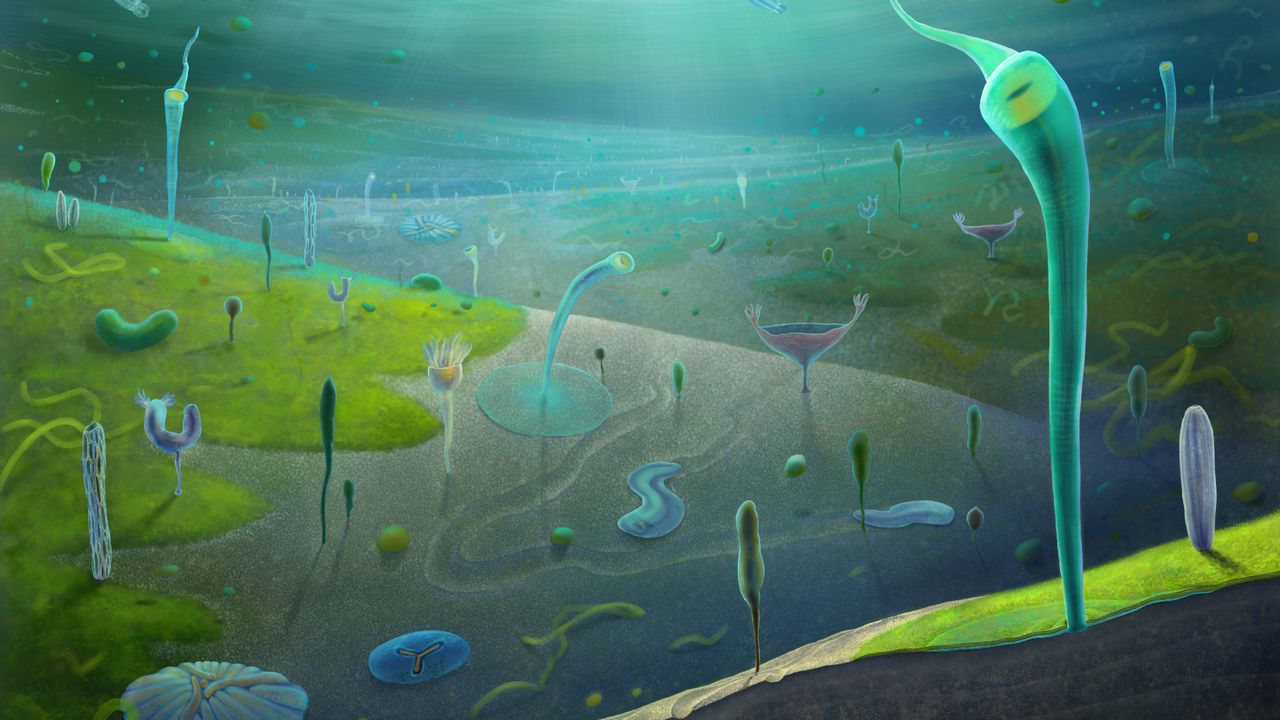
Fossil site in China reveals bevy of complex creatures lived prior to the Cambrian explosion, including a 'Dune'-like sandworm
A site in southwestern China holds a wide array of strange life-forms that emerged prior to the Cambrian explosion, and it pushes back the origin of complex life by millions of years.

Cheap, decades-old transplant drug delays full onset of type 1 diabetes
A transplant drug that has been used for decades can preserve the function of insulin-producing cells in young children who are newly diagnosed with type 1 diabetes.